How to Start a Food Tour Business
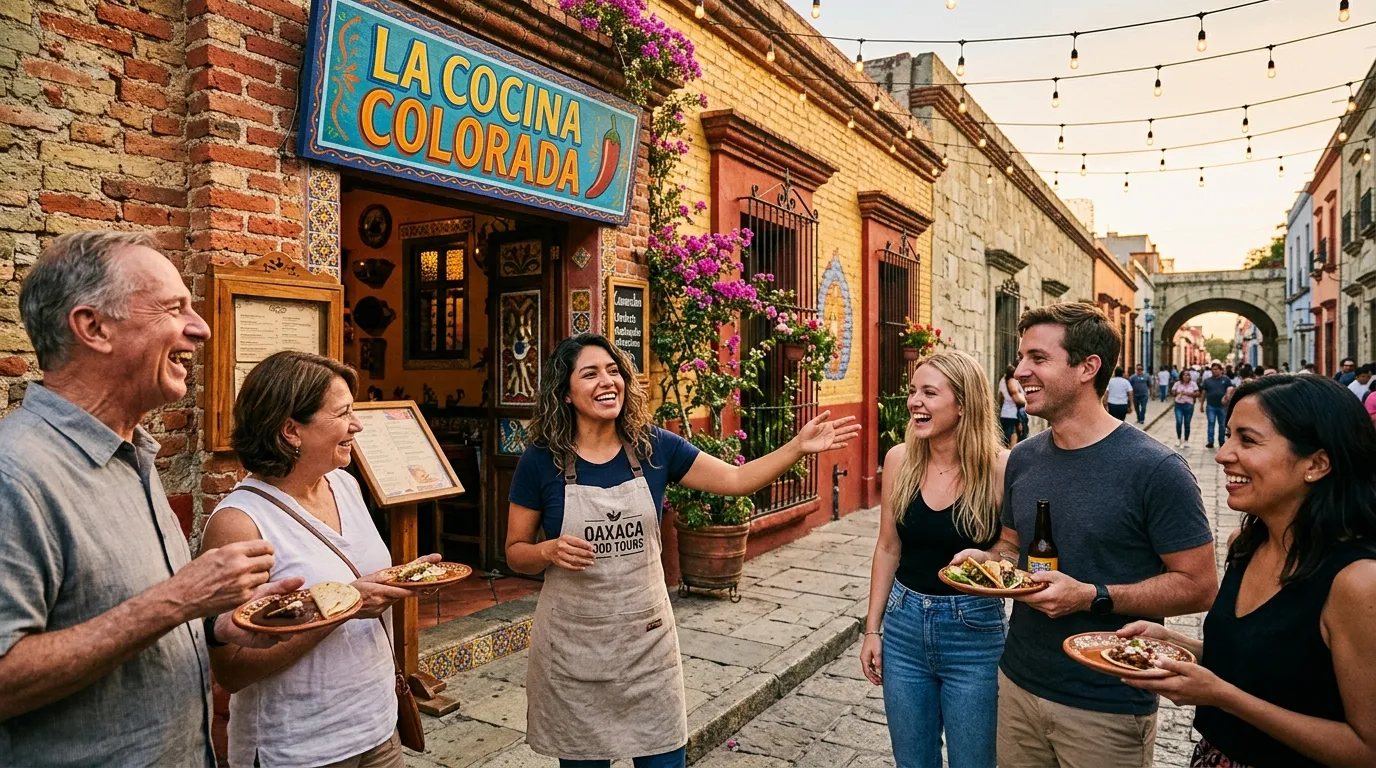
Food tours are one of the best entry points into the tour and activity industry. The startup costs are low, the margins are strong, and the demand keeps growing as travelers increasingly prioritize authentic, local food experiences over generic sightseeing. If you’ve been thinking about how to start a food tour business, this guide walks you through every step — from picking your niche to booking your first guests.
I’ve spent years working with tour and activity operators across every niche imaginable, and food tour operators consistently report some of the highest satisfaction rates — both from their guests and in their own enjoyment of the work. There’s something about sharing a city through its food that never gets old.
Why Food Tours Are a Great Business Opportunity
Let’s start with the numbers. Food tours typically cost between $5,000 and $25,000 to launch — a fraction of what you’d spend starting a boat tour or adventure operation. You don’t need vehicles, expensive equipment, or a warehouse full of gear. Your core assets are relationships with restaurants, knowledge of your city, and the ability to tell a good story.
The margins are compelling too. A food tour charging $85 per person with 12 guests generates $1,020 per tour. Your food costs (the tastings you’re paying for at each stop) might run $15-20 per person, leaving you with strong gross margins even after insurance and marketing costs.
And the market is expanding. Food tourism is one of the fastest-growing segments of the travel industry. Over 80% of travelers say they research local food and dining options before a trip, and “food tour” search volume has grown steadily year over year. If you’re considering how to start a tour company, food is one of the smartest niches to pick.
Choosing Your City and Niche
Not all food tours are created equal. The operators who thrive don’t just offer “a food tour” — they carve out a specific niche that makes their tour the obvious choice for a particular type of traveler.
Neighborhood focus is the most common differentiator. Instead of a generic “City Food Tour,” you run the “East Village Food Tour” or the “French Quarter Tasting Walk.” Neighborhood-specific tours feel more authentic, are easier to operate logistically, and let you build deeper relationships with a concentrated group of restaurants.
Cuisine type is another angle. Think “Chinatown Dumpling Tour,” “Nashville Hot Chicken Trail,” or “Little Italy Pasta Walk.” Cuisine-focused tours attract food enthusiasts who already know what they’re looking for.
Dietary specializations are an underserved market. Vegan food tours, gluten-free tours, and halal food tours have less competition and passionate audiences who are thrilled to find an operator who understands their needs.
Time-based tours work well too — brunch tours, late-night street food tours, and happy hour crawls each attract different demographics and let you run multiple products in the same neighborhood.
The key is to pick something specific enough to stand out but broad enough to sustain consistent bookings. If your city has three generic food tours and zero vegan options, you know where the gap is.
Route Development: The Heart of Your Business
Your route is your product. Getting it right matters more than almost anything else. Here’s how to build one that guests rave about.
Number of stops: Plan for 4-6 food stops over 2.5-3 hours. Fewer than four and guests feel shortchanged. More than six and people are too full to enjoy the later stops. The sweet spot is five stops where each one serves a tasting portion — enough to satisfy but not so much that anyone’s miserable by stop three.
Pacing: Alternate between sit-down stops and walk-up counters. Put your most impressive stop second (not first — you want a warm-up) and save something memorable for the end. Build in 8-12 minutes of walking between stops to let food settle and to share neighborhood stories.
Story arc: The best food tours aren’t just eating — they’re narratives. Each stop should connect to a bigger story about the neighborhood, the culture, or the cuisine. Maybe you start with the immigrant community that founded the neighborhood, move through how the food scene evolved, and end at a modern spot that’s pushing things forward. Give your guests something to remember beyond the flavors.
Tastings vs. full portions: Work with restaurants to create tasting portions specifically for your tour. Guests should taste 5-6 different things, not eat 5 full meals. A good rule: each stop should be roughly equivalent to a generous appetizer.
Test relentlessly. Walk the route at different times of day, in different weather, on different days of the week. Time each segment. Eat at every stop multiple times. Bring friends and get honest feedback before you ever charge a guest.
Building Restaurant Partnerships
This is where food tours succeed or fail. Your restaurant partners are co-creators of the experience, and how you approach them makes all the difference.
Lead with value. Restaurants are busy and get pitched constantly. Don’t walk in and ask what they can do for you. Explain what you’ll do for them: you’re bringing 8-14 hungry, curious customers directly to their door, 3-5 times per week. Many of those guests will come back on their own or recommend the spot to friends. You’re essentially a marketing channel that walks in through the front door.
Start small and prove it. Propose a 30-day trial with one or two tours per week. Let results speak. Once a restaurant sees a steady stream of new faces showing up because of your tour, the conversation changes completely.
Negotiate fair tasting prices. You should be paying for tastings — don’t expect free food. But negotiate a per-person tasting price that works for both sides. Typical arrangements range from $8-15 per person depending on the food and the city. Some operators negotiate a flat fee per tour instead. Either model works as long as both sides feel good about it.
Have backup partners. Restaurants close unexpectedly, change ownership, or occasionally have off days. Always have at least one backup stop for each slot on your route. Your guests should never know when you’ve made a substitution.
Put it in writing. Even if the agreement is simple, get it documented. Include the tasting menu, per-person cost, expected tour times, minimum notice for schedule changes, and what happens if either side needs to end the arrangement.
Business Setup: LLC, Licensing, Insurance
Don’t skip the boring stuff — it protects you.
Business structure: Form an LLC. It’s the most common structure for food tour operators because it separates your personal assets from business liability. Filing costs range from $50-500 depending on your state, and you can do it online in most places.
Licenses and permits: You’ll need a standard business license from your city or county. Beyond that, requirements vary. If you’re guiding guests to restaurants (not preparing food yourself), you typically don’t need a food handler’s permit — but check your local health department to be sure. Some cities require a tour guide license or permit, especially in heavily touristed areas like New York, New Orleans, or Charleston.
Insurance: General liability insurance is non-negotiable. Expect to pay $800-2,000 per year depending on your coverage limits and tour volume. Some restaurant partners will require you to name them as additional insured on your policy — this is normal and your insurance provider can handle it easily.
Food-specific considerations: If you ever handle, prepare, or serve food directly (even pouring a sample of olive oil), you may need food handler certification and additional permits. It’s simpler and safer to let restaurants handle all food service and position yourself as the guide and curator.
Pricing Your Tours
Pricing a food tour is part market research, part math, and part confidence.
Competitive analysis: Search for food tours in your city on Google, TripAdvisor, Viator, and Airbnb Experiences. Note the price range, what’s included, group sizes, and duration. This gives you a baseline — but don’t automatically price at the bottom. If your tour offers more stops, better storytelling, or a unique niche, price accordingly.
The math: Calculate your per-tour costs: food tastings (per person x group size), insurance allocation, marketing spend, guide pay (if you’re hiring), and platform fees. Then determine the group size that makes the economics work. Most food tours find their sweet spot at 8-14 guests.
For example, at $85 per person with 12 guests:
- Revenue: $1,020
- Food costs (12 x $15): $180
- Guide pay: $150-200
- Insurance/overhead allocation: $50
- Gross profit: ~$590-640 per tour
Run two tours a day, five days a week, and you’re looking at a serious business.
What to include: Your tour price should cover all food tastings, the guide, and water. Some operators include an alcoholic beverage pairing at one stop — it’s a nice touch that justifies a higher price point. Be explicit about what’s included so guests know the value.
Group size optimization: Smaller groups (6-8) can command premium pricing ($120-150) and feel more exclusive. Larger groups (12-14) earn more per tour but require more restaurant coordination. Pick the model that fits your style and your restaurant partners’ capacity.
Creating Your Brand and Online Presence
Your brand is what makes someone pick your tour over the three others that show up in search results.
Name and positioning: Choose a name that tells people exactly what you do and where you do it. “Savannah Taste Tours” beats “Culinary Adventures LLC” every time. Make it easy to remember, easy to spell, and available as a domain name.
Website: You need a professional website that loads fast, looks great on phones, and makes booking dead simple. Over 70% of food tour bookings start on a mobile device. If your website is slow, clunky, or hard to navigate on a phone, you’re losing customers.
A purpose-built platform like Gondola gives you a food tour website that’s optimized for exactly this — booking integration, fast load times, SEO-friendly structure, and mobile-first design without needing to hire a developer or fight with a generic website builder.
Photography: Invest in good photos. Food is inherently visual, and your photos are doing most of your selling. Hire a photographer for one tour — get shots of the food, the restaurants, the guests laughing, the neighborhood. These photos will power your website, social media, and listing profiles for months.
Social media: Instagram is your primary channel. Food content performs incredibly well on Instagram — post consistently, use local hashtags, and repost guest photos (with permission). TikTok is worth exploring too, especially for reaching younger travelers. Short clips of your best food moments can generate serious reach.
Marketing: Getting Your First (and Hundredth) Booking
Marketing a food tour is different from marketing other tour types. Your advantage is that food content is inherently shareable and searchable.
Local SEO: Claim and optimize your Google Business Profile immediately. Add photos, respond to every review, post updates weekly, and make sure your categories, hours, and contact info are accurate. For food tours, the Google Map Pack drives a disproportionate amount of bookings.
TripAdvisor and Yelp: Create profiles on both platforms and actively ask satisfied guests to leave reviews. TripAdvisor in particular drives significant food tour bookings. Respond to every review — positive and negative — within 24 hours. The first 20-30 five-star reviews on TripAdvisor can transform your business.
OTA strategy: List on Viator, GetYourGuide, and Airbnb Experiences to generate initial bookings and build reviews. Yes, the commissions (20-30%) are steep. Think of OTAs as a customer acquisition channel, not your long-term strategy. Once guests book through an OTA, give them a card with your direct website. Repeat customers and referrals should book direct.
Hotel and Airbnb host partnerships: This is the secret weapon many food tour operators underuse. Visit hotel concierges and Airbnb property managers in your area. Offer them a complimentary tour so they experience it firsthand, then provide a referral commission (10-15%) for guests they send your way. Concierges who’ve personally taken your tour will recommend it with genuine enthusiasm.
Content marketing: Start a blog on your website with posts about your city’s food scene — best restaurants in specific neighborhoods, hidden gems, seasonal specialties. This content attracts organic search traffic from travelers researching your destination, and positions you as the local food authority.
Email list: Collect email addresses from every guest (your booking system should handle this automatically). Send a post-tour email thanking them and asking for a review. Then add them to a quarterly newsletter about your city’s food scene. Past guests are your best referral source.
Scaling: From Solo Operator to Growing Business
Once your first route is running smoothly and consistently filling, it’s time to think about growth.
Adding routes: Your second route should be in a different neighborhood or offer a different angle (brunch vs. dinner, different cuisine). This lets you serve more guests without competing with yourself. Many successful food tour companies run 3-5 different routes across their city.
Hiring guides: Your first hire is usually another tour guide. Look for people with hospitality or restaurant industry experience, genuine food knowledge, and the kind of personality that makes strangers feel like friends. Train them by having them shadow your tours at least 5-8 times, then co-lead, then solo with you as a guest giving feedback.
Expanding to new neighborhoods or cities: Once you’ve proven the model in one market, the playbook is repeatable. The restaurant outreach, route development, and marketing strategies all transfer. Some food tour companies operate in multiple cities with local guides running each market.
Private and corporate tours: These are high-margin additions to your public tour schedule. Corporate team-building food tours and private group experiences typically command 2-3x your public tour pricing. Market these separately on your website and through event planning channels.
Start Walking, Start Tasting
The best food tour operators didn’t wait until everything was perfect. They picked a neighborhood they loved, found four or five restaurants that excited them, walked the route with friends, and launched. You can refine the route, upgrade your website, and polish your storytelling as you go — but you can’t improve a tour that doesn’t exist yet.
If you’re serious about launching a food tour business, start with the route. Walk your city this weekend with fresh eyes. Eat at places you’ve never tried. Talk to restaurant owners. Take notes on the stories that light you up. That enthusiasm is what your future guests are paying for — and no amount of marketing can fake it.
Frequently Asked Questions
Food tours are one of the lowest-cost tour businesses to launch. Startup costs range from $5,000 to $25,000. Major expenses include business registration ($500-1,500), liability insurance ($800-2,000/year), website and booking system ($500-2,000), food handler permits ($100-300), initial marketing ($1,000-3,000), and tastings/route development ($500-2,000). You don't need vehicles or expensive equipment — just great relationships with restaurants and a compelling route.
It depends on your model. If you're guiding guests to restaurants where the venues serve food, you typically don't need a food handler's license yourself. If you're preparing or serving food directly, you'll need a food handler's certificate and potentially a food service permit. Check local health department requirements — they vary significantly by city and county.
Food tours typically charge $65-150 per person depending on the city, number of stops, and inclusions. Premium tours in cities like New York, San Francisco, or New Orleans charge $100-175+. The sweet spot for most markets is $75-95 per person with 4-6 food stops over 2.5-3 hours. Keep group sizes to 8-14 for the best experience and margins.